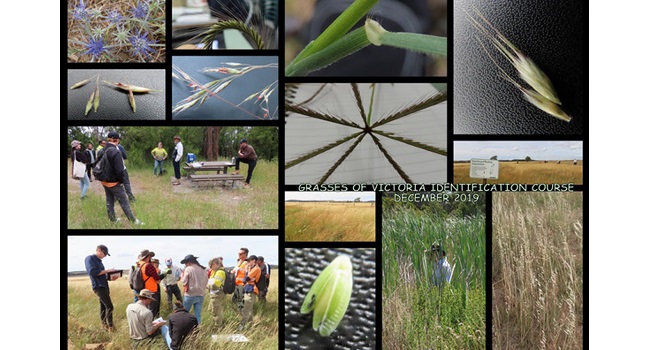
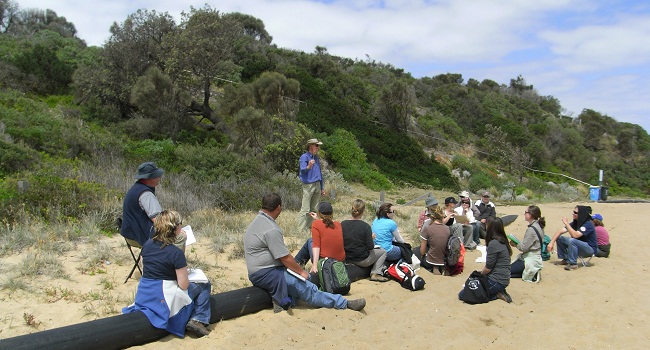
Wild Grasses of Victoria Course
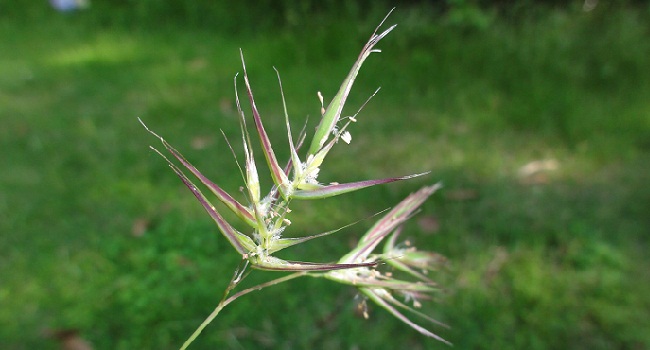
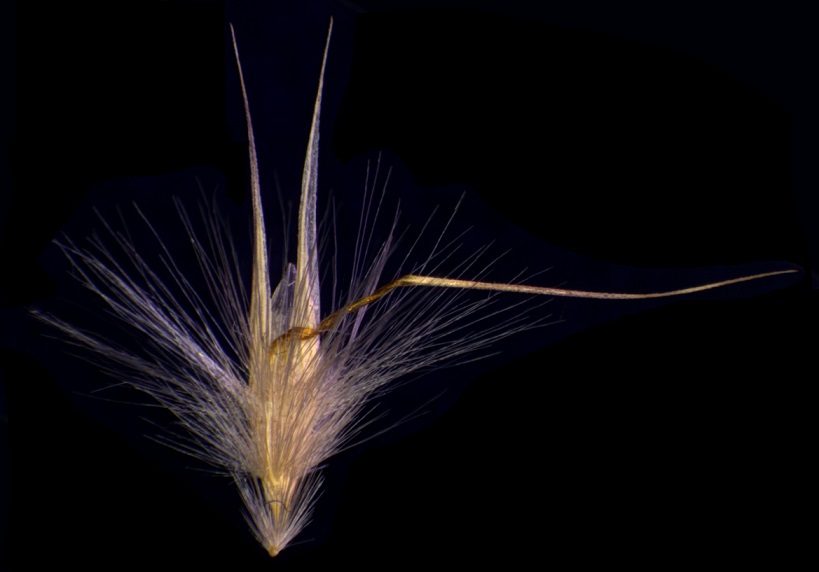
Of all the families of plants, the grasses are the most important in ecological, economic and agricultural terms. Victoria's 230+ indigenous grass species play pivotal ecological roles. The 170 or so wild, introduced species have enormous ecological and economic impact.
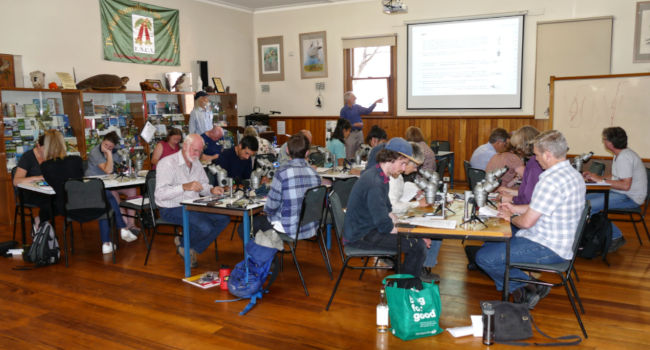
Biosphere Pty Ltd's Dr Graeme Lorimer has been running courses on the identification, ecology and management of wild grasses and their relatives for 38 years. The next one will be a one-day course in December 2026. It may become fully subscribed by priority applicants who missed out in the previous course.
Email training@biosphere.net.au if you'd like to be notified when course details are announced.
Wetland Plants Course, 2027
The next round of Dr Graeme Lorimer's popular course about non-saline wetlands is planned for January 2027. If you're interested after reading the following information, email training@biosphere.net.au to be put onto our training e-mail list so you'll be notified when and if the course proceeds.
The course runs over two 4-hour sessions outdoors at Templestowe, Victoria. It suits anyone, from novice to botanist, and covers:
- How to quickly distinguish in the field between commonly-encountered wetland plant genera such as Juncus, Bolboschoenus, Carex, Cyperus, Isolepis, Persicaria and Azolla;
- How to identify a wide range of species in the field, native and introduced;
- How to use Lorimer's easy-to-use identification keys;
- The importance and function of ecological wetland processes such as the cycle of wetting and drying and the specialised dispersal of propagules;
- The ecology and management of wetland weeds; and
- The basics of creating artificial wetlands and the roles they play.
Notes and identification keys are provided. The cost will be around $500. Class size is 17.
Here's what participants have said about this course in recent years:
"Graeme's course is a fantastic introduction to wetland plants. He has fantastic resources that really help to learn about wetland plants. Throughout the course we went through steps for identifying plants that I know I will be able to use in the field."
– Rose, ecological consultant
"I cannot recommend Graeme's courses more highly. I will be taking what I learned and putting it into practice straightaway in relation to managing and rehabilitating dams and streams on private properties."
– Jennifer, environmental consultant
"Thanks for a great couple of mornings! Not only do I feel that I'm getting a start at identification in wetlands, but I notice wetlands much more as I'm driving around!"
– Bill, biologist